Practical articles from San Diego Concrete Contractors on driveways, patios, sidewalks and steps, stamped and decorative concrete, repairs and care — plus planning tips for homeowners and businesses in San Diego County.
Concrete can usually take light foot traffic after about 24 hours, heavier loads after 48 hours and vehicles after 3 to 7 days; it is considered fully cured after about 28 days.
Assess the damage, decide on DIY or professional work and check local rules, resurface by cleaning, patching and applying resurfacer, maintain it with regular checks and…
Fill cracks promptly when they are wider than about 1/8 inch, let water in, keep spreading or widening, create trip hazards, or detract from your property's…
Resurfacing refreshes the patio's look, extends its life, costs less than full replacement, removes trip hazards, and is more eco-friendly than tearing out the slab.
Watch for cracks and potholes, surface scaling or spalling, fading and discoloration, uneven settling, and water pooling that shows the driveway has lost its drainage slope.
Clean the cracks thoroughly, fill them with a concrete repair mix following the product instructions, and if cracks are numerous or the patio is aging, apply…
Resurfacing works for cracks under a quarter inch after debris is removed; small cracks can be patched with concrete caulk or liquid filler, and larger ones…
Polyurethane foam injected through a few small holes can lift sinking concrete, fill gaps beneath the slab, and help repair driveway cracks before they require replacing…
Clean the driveway, fill small cracks under 1/4 inch with liquid filler or concrete caulk and resurface, and fill and seal larger cracks with a concrete…
Polyurethane foam injected through a few small holes can raise sinking concrete, fill the gaps and voids beneath a slab, and help repair driveway cracks before…
Concrete most often cracks from shrinkage as mixing water evaporates while it dries; too much water in the mix, drying too quickly, the wrong concrete strength…
Read article
Quick answers
Common concrete questions, answered.
Short answers from our articles. Open an article for the full explanation.
Wear proper protective equipment, work with good ventilation and dust control, handle cement and chemicals carefully, use safe lifting techniques and mechanical aids, and guard against slips on wet concrete.
Assess the damage, decide on DIY or professional work and check local rules, resurface by cleaning, patching and applying resurfacer, maintain it with regular checks and crack filling, and replace it when damage is extensive or structural.
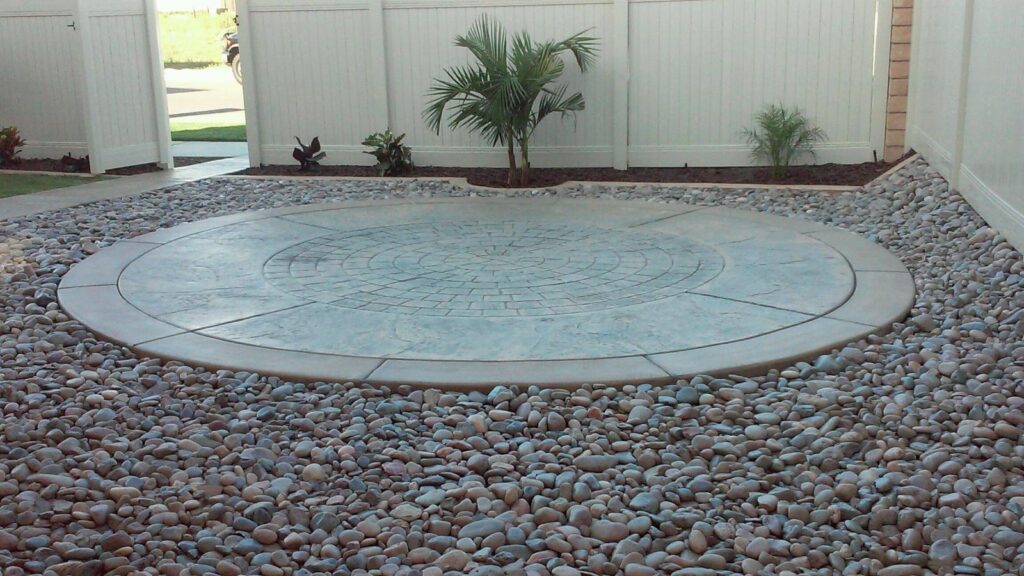
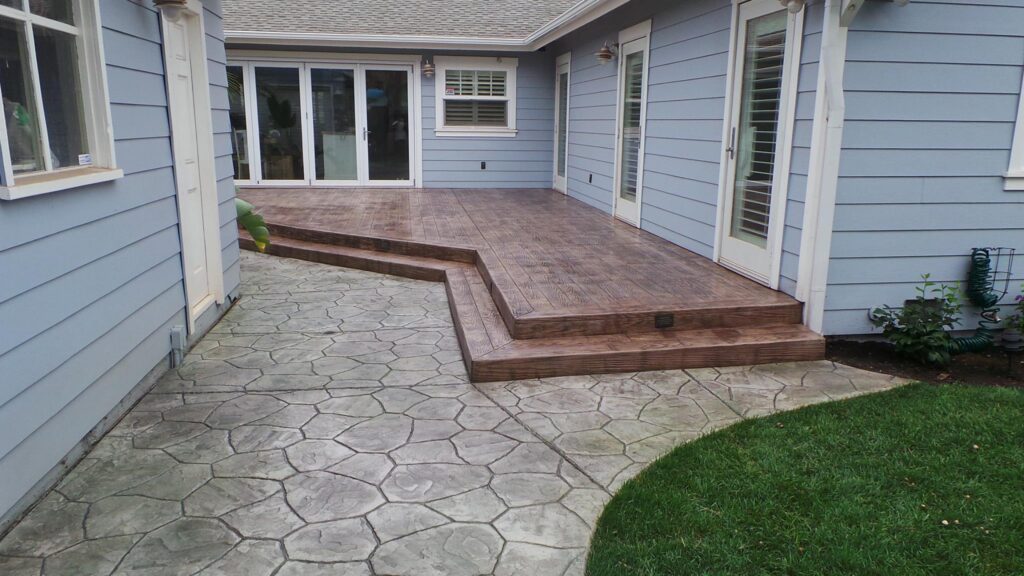
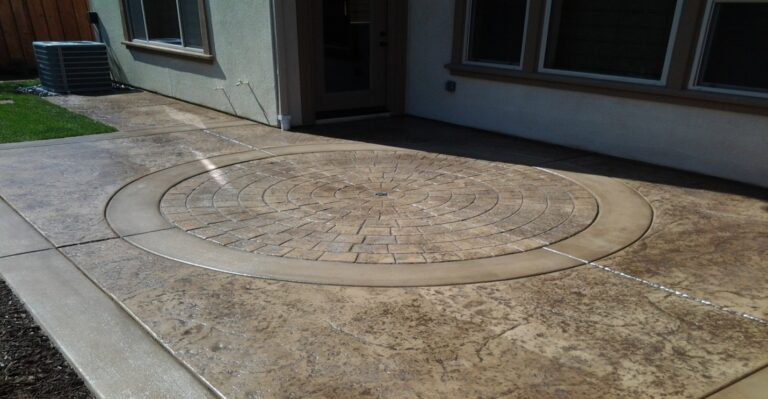
Design ideas include stamped patterns that mimic brick, stone or wood, integral coloring, acid or water-based stains, and textured finishes such as exposed aggregate or broom finishing.
Assess the floor for cracks and moisture, choose a suitable overlay, pick trending looks, patterns or colors, clean and prime the surface before coating, and then seal and clean it regularly.
Gather the right supplies, rinse and scrub with a mild detergent, treat specific stains with vinegar, baking soda or targeted cleaners, pressure wash (hot water helps with grease), and seal the surface.
Concrete is durable and long-lasting, helps with energy efficiency through its thermal mass, offers design versatility, needs little maintenance, and can increase a home’s property value.
Services
Ready to plan your project?
Start from the type of property, or see every service we offer.