Practical articles from San Diego Concrete Contractors on driveways, patios, sidewalks and steps, stamped and decorative concrete, repairs and care — plus planning tips for homeowners and businesses in San Diego County.
Concrete can usually take light foot traffic after about 24 hours, heavier loads after 48 hours and vehicles after 3 to 7 days; it is considered fully cured after about 28 days.
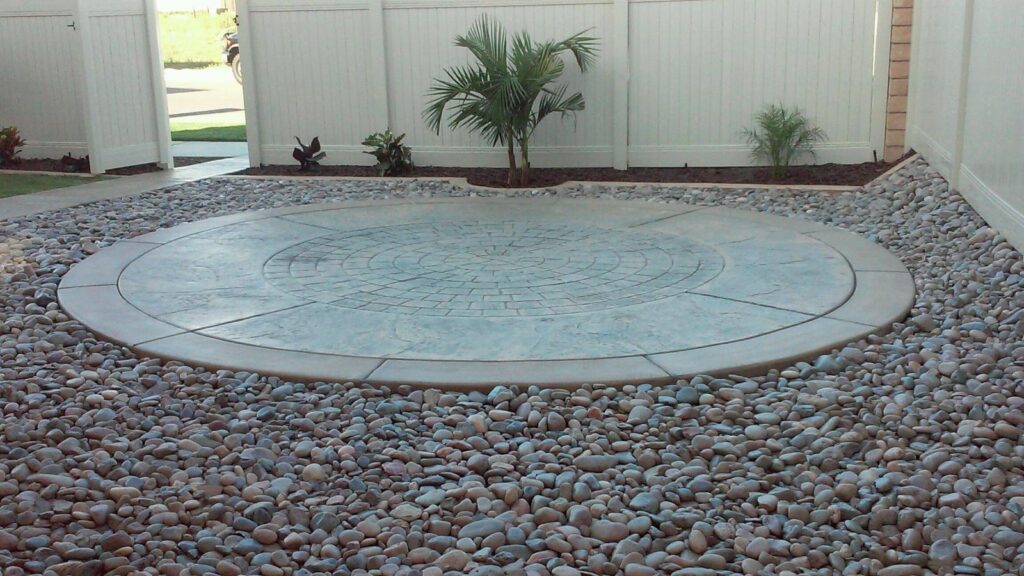
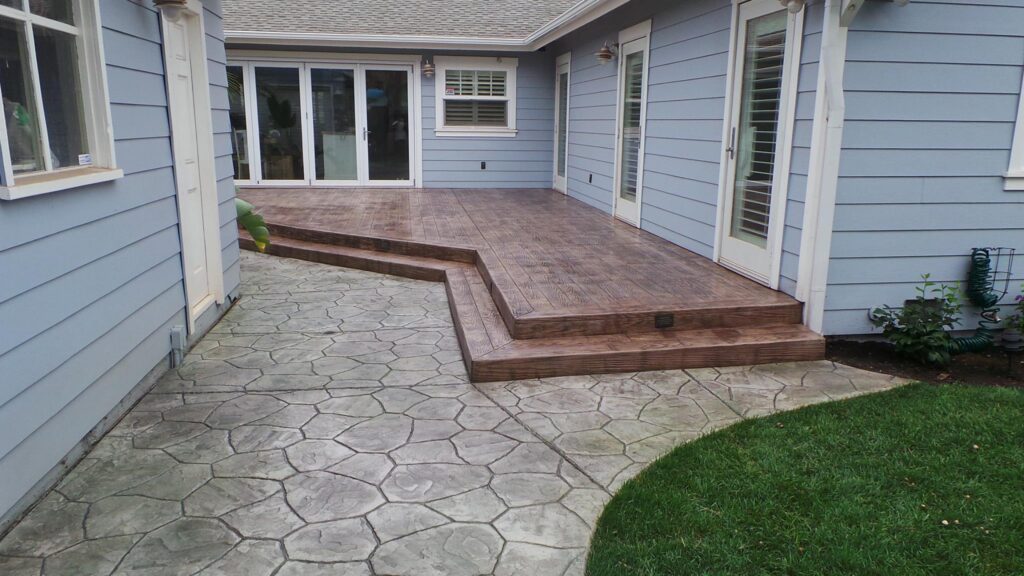
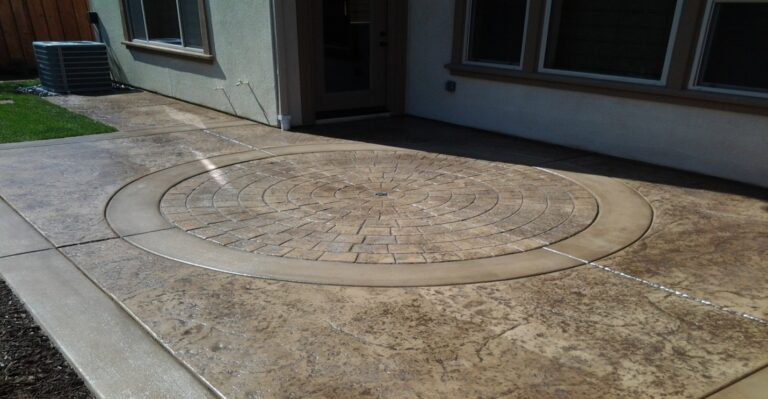
Design ideas include stamped patterns that mimic brick, stone or wood, integral coloring, acid or water-based stains, and textured finishes such as exposed aggregate or broom…
Clear, mark, excavate and compact the base, grade it and add gravel for drainage, set straight and level forms, pour continuously from one end before screeding…
Choose durable, low-maintenance materials built for vehicle loads and weather, such as reinforced or fiber-reinforced concrete, polymer-modified overlays or stamped concrete, with finishes like exposed aggregate…
Start with proper installation, reinforcement and control joints, cure the concrete correctly, avoid heavy loads, clean and seal it regularly, guard against freeze-thaw damage where winters…
Before starting, consider local weather and ground-water conditions, how much area the driveway will cover, where it will go, the materials and design you want, and…
Ways to upgrade a concrete driveway, from stenciled designs and stamped or stained overlays to edging and acid staining, plus when to repair or replace.
Concrete driveways are more durable than asphalt, can last for decades, resist potholes and damage, add curb appeal and property value, and a painted concrete driveway…
A concrete driveway can last for decades. How long it lasts depends on sun exposure, the quality of the concrete mix, temperature swings and whether it…
The post lists five benefits: a smooth surface with good traction, many color choices, a safe and sturdy surface for families, durability with little upkeep, and…
According to the post, concrete keeps its strength in hot and cold weather, needs less maintenance than asphalt, holds its color instead of fading, and avoids…
A new concrete driveway looks great, needs less maintenance, boosts curb appeal, is more durable than a worn-out one, and its reflective surface helps light up…
Read article
Quick answers
Common concrete questions, answered.
Short answers from our articles. Open an article for the full explanation.
Wear proper protective equipment, work with good ventilation and dust control, handle cement and chemicals carefully, use safe lifting techniques and mechanical aids, and guard against slips on wet concrete.
Assess the damage, decide on DIY or professional work and check local rules, resurface by cleaning, patching and applying resurfacer, maintain it with regular checks and crack filling, and replace it when damage is extensive or structural.
Design ideas include stamped patterns that mimic brick, stone or wood, integral coloring, acid or water-based stains, and textured finishes such as exposed aggregate or broom finishing.
Assess the floor for cracks and moisture, choose a suitable overlay, pick trending looks, patterns or colors, clean and prime the surface before coating, and then seal and clean it regularly.
Gather the right supplies, rinse and scrub with a mild detergent, treat specific stains with vinegar, baking soda or targeted cleaners, pressure wash (hot water helps with grease), and seal the surface.
Concrete is durable and long-lasting, helps with energy efficiency through its thermal mass, offers design versatility, needs little maintenance, and can increase a home’s property value.
Services
Ready to plan your project?
Start from the type of property, or see every service we offer.